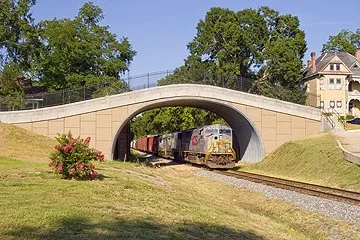
Deep corrugated structural plate provides a durable, field-assembled solution for large-span drainage structures, culverts, underpasses, stream crossings, and transportation infrastructure projects. Designed for greater structural capacity and larger spans than standard structural plate systems, deep corrugated plate systems are commonly selected for soil steel bridge systems, hydraulic structures, and grade separation applications where long-term performance and efficient installation are priorities.
Manufactured from individual steel plates that are assembled in the field, deep corrugated structural plate combines high structural performance with installation flexibility. These systems are often used for bridge replacements, tunnels, culverts, and large-span crossings where transportation limitations, project size, or installation constraints may limit prefabricated alternatives.
Engineers evaluating span requirements and structural performance may also compare Corrugated Steel Structural Plate, explore Design Resources, or review Technical Resources for engineering guidance.
Benefits of Deep Corrugated Plate Systems
Deep corrugated structural plate systems are commonly selected because they provide increased structural performance while maintaining efficient field assembly and installation flexibility.
- Superior structural strength for large-span culverts and transportation infrastructure
- Large-span capabilities for culverts, arches, underpasses, and bridge replacement structures
- Lightweight construction compared to some traditional bridge materials
- Efficient installation with field-assembled steel components
- Versatile configurations including round, arch, box culvert, and special shapes
- Long service life with multiple coating options for corrosion protection
- Aesthetic versatility for visible transportation and stream crossing applications
Corrugation Profiles, Thicknesses, and Span Capabilities
Two corrugation profiles are available for deep corrugated structural plate systems:
- Type I deep corrugated structural plate featuring a 15″ × 5½” corrugation profile
- Type II deep corrugated structural plate featuring a 16″ × 6″ corrugation profile
Deep corrugated plate systems are available in thicknesses ranging from approximately 0.140 inches to 0.314 inches and can be designed for spans up to 80 feet, depending on loading conditions, geometry, and project-specific engineering requirements.
Because these systems are assembled in the field, engineers have flexibility to specify deep corrugated plate culverts, multiple-radius arches, soil steel bridges, and customized large-span configurations for transportation and hydraulic applications.
Common Shapes and Applications
Deep corrugated structural plate systems are assembled into multiple configurations depending on hydraulic performance, clearance requirements, span demands, and project-specific conditions.
Common configurations include:
- Round structures for culverts and utility crossings
- Single-radius arches for stream crossings and water conveyance
- Multiple-radius arches for larger waterway openings and transportation infrastructure
- Box culverts for bridge replacement and low-rise crossing applications
- Special shapes for custom hydraulic and rehabilitation projects
Coatings and Long-Term Durability
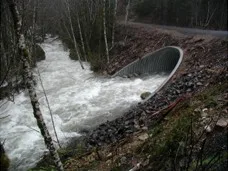
Deep corrugated structural plate is available with multiple coating options to support corrosion protection and long-term durability in varying environmental conditions. Engineers can review available corrugated steel pipe coatings, including Aluminum Coated Type 2 (ALT2) and polymer-coated steel systems when evaluating service life and durability goals.
Engineers evaluating long-term performance may also explore the Structural Plate Service Life Calculator, compare lifecycle costs using the Least Cost Calculator, or review Engineering Studies & Technical Reports.
Design Resources and Engineering Guidance
Designing deep corrugated structural plate systems requires evaluation of hydraulic opening, span requirements, loading conditions, cover depth, foundation design, and long-term durability. Engineers and designers can review Design Resources, compare specifications using the Design Specifications Chart, explore Technical Resources, and review Minimum Cover Requirements for additional engineering guidance.
Deep corrugated plate systems are designed to recognized transportation and engineering standards, including applicable ASTM specifications and AASHTO guidance for drainage and transportation infrastructure design.