Thanksgiving is a time to appreciate the people and things that make our lives better. We give thanks for family, friends, good food, and occasionally the relative who volunteers to handle the dishes. However, there’s one hardworking contributor that rarely makes anyone’s gratitude list: infrastructure. Nobody raises a glass to the culvert beneath the highway or compliments the stormwater system beneath the grocery store parking lot, even though these structures quietly support our daily lives.
These systems often operate for decades without attracting much attention, which is generally a sign that they’re performing as intended. Water flows beneath roadways, stormwater moves through drainage networks, and transportation routes remain open. Most people never consider the engineering involved until something goes wrong. This Thanksgiving, we’re giving a little overdue appreciation to the infrastructure that keeps our communities moving and the professionals responsible for making it work.
Nobody Thanks a Culvert Until the Road Washes Out
A properly functioning culvert is easy to overlook. Water flows beneath the roadway, vehicles pass safely overhead, and everyone continues with their day. That’s precisely how transportation drainage infrastructure is supposed to work. Unfortunately, the importance of these systems becomes much more apparent when they fail, especially when roadway closures interrupt travel and everyday activities.
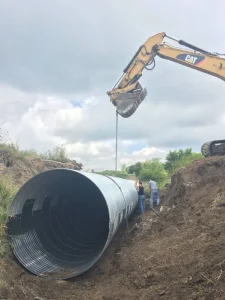
Inadequate drainage or deteriorating structures can contribute to erosion, roadway damage, flooding, and transportation disruptions. Suddenly, the pipe nobody noticed becomes everyone’s problem. The NCSPA’s corrugated steel culvert resources explain how engineered drainage systems help convey stormwater beneath roads and other infrastructure. Properly designed systems balance hydraulic capacity, structural performance, environmental conditions, and anticipated service life to help reduce the risk of costly failures.
Consider the emergency culvert replacement in Oliver County, North Dakota. After a pipe failure threatened a heavily traveled county road, the county needed a replacement solution quickly. TrueNorth Steel manufactured and delivered 450 feet of corrugated steel pipe within two weeks, allowing the county to move forward with repairs. The project demonstrates the importance of dependable materials, responsive manufacturing, and coordinated efforts when infrastructure problems threaten transportation access.
It’s a useful reminder that reliable infrastructure deserves appreciation long before an emergency makes the evening news. After all, nobody wants their drive to Thanksgiving dinner to become an unexpected sightseeing tour because the usual route is closed. A little attention to the infrastructure beneath our roads can go a long way toward keeping holiday travel, and everyday transportation, moving.
The Hardest-Working Guests Never Make It to Dinner
Every Thanksgiving gathering has someone who quietly handles the details. They make sure the food is ready, the guests have somewhere to sit, and the day runs smoothly. Infrastructure has its own version of those dependable contributors, although their work usually takes place underground rather than in the kitchen. Stormwater systems manage runoff, culverts carry water beneath roads, and buried drainage structures support transportation and development while remaining largely invisible to the people who depend on them.
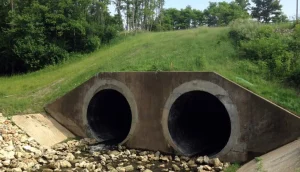
Corrugated steel pipe performs these functions across a wide range of applications, including highway drainage, agricultural crossings, and underground stormwater management. Its versatility allows engineers to select configurations that address different hydraulic and structural requirements. The NCSPA’s steel pipe and plate applications highlight how these systems support infrastructure throughout North America. From rural communities to major transportation corridors, dependable drainage systems contribute to the functionality of the built environment.
Unlike some Thanksgiving guests, these hardworking systems don’t complain about the seating arrangements, argue over the last dinner roll, or ask when dessert will be served. They simply have a job to do, and when properly designed and maintained, they can continue performing that job for decades. Their contribution may not be glamorous, but it’s certainly worth appreciating.
A Little Appreciation for the People Behind the Pipe
Of course, infrastructure doesn’t design, manufacture, or install itself. Behind every successful drainage system is a network of professionals whose work often goes unnoticed by the public. Engineers evaluate hydraulic requirements, structural loads, and environmental conditions, while manufacturers fabricate components to meet project specifications. Contractors manage installation and construction challenges, and public works departments oversee the infrastructure that communities depend on every day.
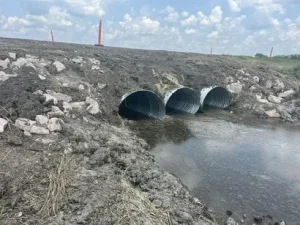
Their contributions become especially important when unexpected conditions demand quick decisions. In South Dakota, historic flooding damaged a critical Turner County roadway in June 2024. The emergency corrugated steel culvert replacement required a coordinated response to restore transportation access. TrueNorth Steel fabricated and delivered the replacement culverts in approximately a day and a half, and the roadway reopened the following day.
For many infrastructure professionals, the work extends well beyond routine project schedules. Severe weather, unexpected failures, and emergency repairs can require long hours, difficult working conditions, and quick decisions. While most people only see the finished roadway or functioning drainage system, they rarely witness the coordination and effort required to restore essential services. That commitment deserves recognition, particularly during a season centered on gratitude.
Projects like this reflect more than the performance of a particular material. They demonstrate the experience, coordination, and commitment required to deliver dependable infrastructure when communities need it most. Engineers, manufacturers, contractors, and public agencies each contribute specialized knowledge that helps turn infrastructure plans into functioning systems. Those professionals may not appear in holiday commercials, but their work deserves recognition.
Good Infrastructure Is Something Worth Preserving
Thanksgiving also encourages us to appreciate what we have and consider how to preserve it for the future. Infrastructure deserves the same attention because communities depend on drainage systems that can withstand changing environmental conditions and support long-term transportation needs. Achieving those goals requires appropriate design, material selection, installation, inspection, and maintenance. These decisions influence how infrastructure performs throughout its intended service life.
Corrugated steel pipe provides engineers with multiple protective coating options, structural configurations, and hydraulic characteristics. These choices allow designers to address specific project conditions rather than relying on a single solution for every application. The NCSPA’s standard corrugated steel pipe resources provide additional information about these applications and design considerations. Selecting the appropriate system helps infrastructure owners balance performance requirements, site conditions, and long-term maintenance considerations.
Steel’s recyclability also contributes to its value as an infrastructure material. When evaluating long-term investments, owners can consider service life, maintenance requirements, and material recovery alongside initial construction costs. Good infrastructure doesn’t happen by accident, and preserving it requires informed decisions from the professionals responsible for planning, constructing, and maintaining these systems.
This Thanksgiving, Here’s to the Unsung Heroes
As families gather this Thanksgiving, most people won’t spend much time thinking about drainage infrastructure. They’ll be focused on the turkey, the conversation, and perhaps finding enough room for another slice of pie. That’s perfectly understandable because reliable infrastructure is supposed to support everyday life without demanding constant attention. When culverts, stormwater systems, and transportation networks perform as intended, communities can focus on everything else.
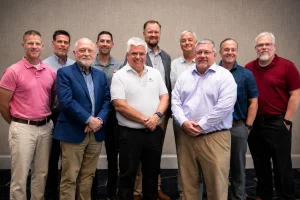
This Thanksgiving, the NCSPA extends its appreciation to the engineers who design our infrastructure, the manufacturers who produce essential materials, and the contractors who bring those designs to life. We also recognize the public works professionals, transportation agencies, and infrastructure owners responsible for maintaining these systems year after year. Their expertise, dedication, and willingness to respond when challenges arise help keep communities connected, often without much public recognition.
And here’s to the humble culvert, quietly doing its job beneath our feet. It may never get invited to Thanksgiving dinner, but we’re certainly thankful it’s there.
Happy Thanksgiving from the NCSPA!