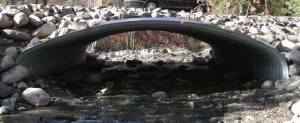
Steel box culverts provide an economical and durable alternative to conventional bridge structures for stream crossings, culverts, and transportation infrastructure applications. Designed as low-rise culvert systems and large-span drainage structures, steel box culverts are commonly selected for projects requiring wider waterway openings while maintaining the existing roadway grade or minimizing elevation changes.
Manufactured using corrugated steel structural plate or deep corrugated structural plate, steel box culverts combine structural strength, installation flexibility, and hydraulic performance. These systems are often selected as bridge replacement culverts where maintaining traffic flow, reducing construction disruption, or minimizing project costs are priorities.
Because of their low-profile geometry and customizable spans, steel box culverts are frequently used for stream crossing culverts, transportation infrastructure, wildlife crossings, and drainage applications where hydraulic opening, structural capacity, and site constraints must be carefully balanced. Engineers can also review Project Spotlights to see completed steel box culvert installations in real-world applications.
Benefits of Corrugated Steel Box Structures
Steel box culverts are commonly selected because they provide an efficient combination of structural performance, hydraulic capacity, and construction flexibility for transportation and waterway applications.
- Large span capabilities for stream crossings, culverts, and transportation projects
- Low-rise culvert systems that maintain roadway elevations while maximizing waterway opening
- Economical bridge replacement culverts compared to some traditional bridge structures
- Efficient installation using field-assembled steel plate systems
- Design flexibility with multiple span, rise, and loading configurations available
- Long service life with multiple coating options for corrosion protection
- Aesthetic versatility for visible stream and transportation infrastructure applications
Foundation, Loading, and Structural Performance
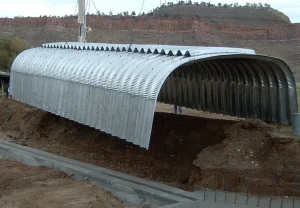
Steel box culverts may be designed with conventional concrete footings, steel footer pads, or full steel inverts depending on hydraulic requirements, site conditions, and loading demands. Systems can be engineered for varying loading conditions and cover depths, making them suitable for transportation infrastructure, drainage channels, and waterway crossings. Because these systems can accommodate significant hydraulic opening requirements while maintaining a lower profile, steel box culverts are frequently selected for stream crossing culverts, transportation infrastructure, and waterway applications where roadway grade changes must be minimized.
Corrugated steel box culverts are available for low, wide waterway requirements and can be designed for cover heights ranging from approximately 1.4 feet to 50 feet, depending on span, loading requirements, and project-specific engineering considerations.
Coatings and Long-Term Durability
Steel box culverts are available with multiple coating options to support corrosion protection and long-term durability in varying environmental conditions. Engineers can review available corrugated steel pipe coatings, including Aluminum Coated Type 2 (ALT2) and polymer-coated steel systems when evaluating service life and durability goals.
For long-term planning, engineers may also explore the Service Life Plate Calculator, compare lifecycle costs using the Least Cost Calculator, or review additional Engineering Studies & Technical Reports.
Design Resources and Engineering Guidance
Designing steel box culverts requires evaluation of hydraulic opening, span and rise requirements, loading conditions, cover depth, foundation design, and long-term durability considerations. Engineers and designers can review Design Resources, compare requirements using the Design Specifications Chart, explore Technical Resources, and review Minimum Cover Requirements for additional engineering guidance.
Steel box culvert systems are designed to recognized transportation and engineering standards, including applicable ASTM specifications and AASHTO guidance for drainage and transportation infrastructure design. Engineers evaluating completed installations may also review Project Spotlights for real-world examples of steel box culvert performance.